

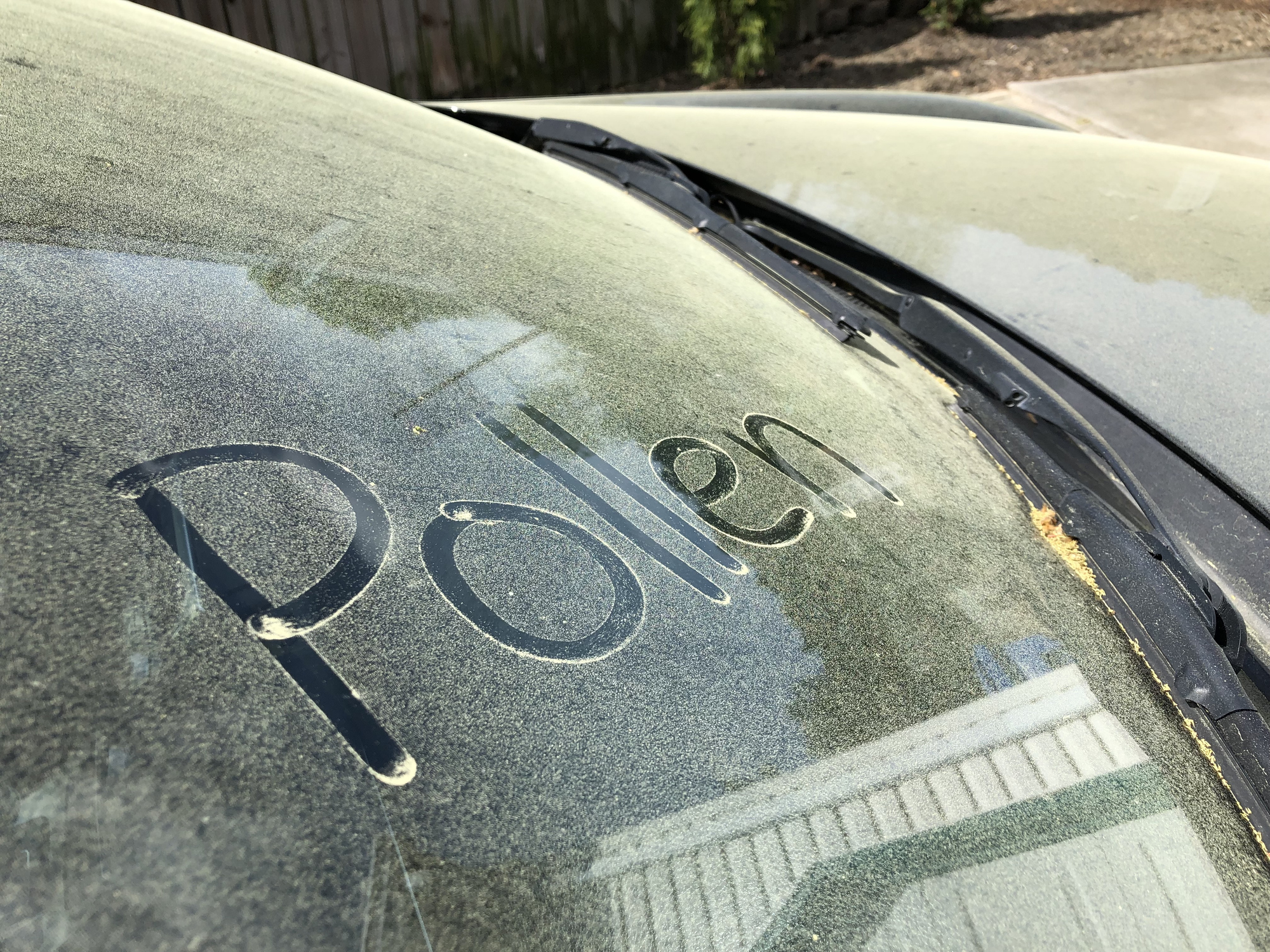
If you’ve lived in Charleston for even one spring, you know the moment when everything turns yellow. Cars, sidewalks, patios, porch railings — and sometimes even the air itself — seem to be coated in pollen.
While pollen season is a normal part of life in the Lowcountry, it can catch new residents by surprise. For renters and property owners alike, understanding how Charleston’s heavy pollen season affects homes and outdoor spaces can make the season much easier to manage.
Why Charleston Gets So Much Pollen
Charleston’s climate and vegetation create the perfect conditions for intense pollen seasons. Warm temperatures arrive early in the year, and the region is home to a wide variety of trees that release large amounts of pollen during the spring.
Some of the most common contributors include:
- Pine trees
- Oak trees
- Cedar trees
- Sweet gum trees
Pine pollen is especially noticeable because it travels easily in the wind and settles in visible yellow layers across outdoor surfaces.
The combination of coastal breezes and dense tree coverage means pollen can spread quickly throughout neighborhoods across the Lowcountry.
How Pollen Impacts Rental Homes
During peak pollen season, outdoor areas tend to collect buildup quickly. Renters may notice pollen gathering on:
- Porch furniture
- Decks and patios
- Window sills
- Outdoor railings
- Entryways and walkways
While it may look dramatic, pollen buildup is usually temporary and washes away easily with rain or light cleaning.
For tenants, regular outdoor cleaning during this time can help keep spaces comfortable and enjoyable.
Tips for Renters During Pollen Season
Living in Charleston during pollen season doesn’t have to be frustrating. A few simple habits can make a big difference.
Keep Windows Closed on High Pollen Days
Opening windows during peak pollen periods can allow pollen to collect indoors on furniture, floors, and vents.
Rinse Outdoor Surfaces Periodically
A quick rinse of porches, patios, and outdoor furniture can help prevent buildup from becoming overwhelming.
Change HVAC Filters Regularly
Air filters play an important role in improving indoor air quality, especially during the spring when allergens are at their highest.
Protect Vehicles and Outdoor Items
Parking under heavy tree coverage can lead to faster buildup. If possible, covered parking or occasional rinsing can help keep cars and outdoor equipment cleaner.
What Property Owners Should Know
For property owners, pollen season is mostly cosmetic — but it can affect how tenants perceive outdoor spaces if buildup becomes excessive.
Routine landscaping, pressure washing of walkways, and general seasonal maintenance help keep properties looking their best.
Maintaining clean gutters and outdoor areas also ensures that spring rain can properly wash away accumulated pollen.
A Normal Part of Lowcountry Living
While Charleston’s pollen season may surprise newcomers at first, longtime residents know it’s simply part of living in a lush, coastal environment. The same trees responsible for the bright yellow dust also contribute to the beauty and character that make the Lowcountry so special.
At CREC Property Management, we help both tenants and property owners navigate seasonal changes like pollen season while keeping homes comfortable and well-maintained year-round.
After all, once the pollen clears, Charleston’s spring weather quickly becomes one of the most enjoyable times of the year to live in the Lowcountry.