
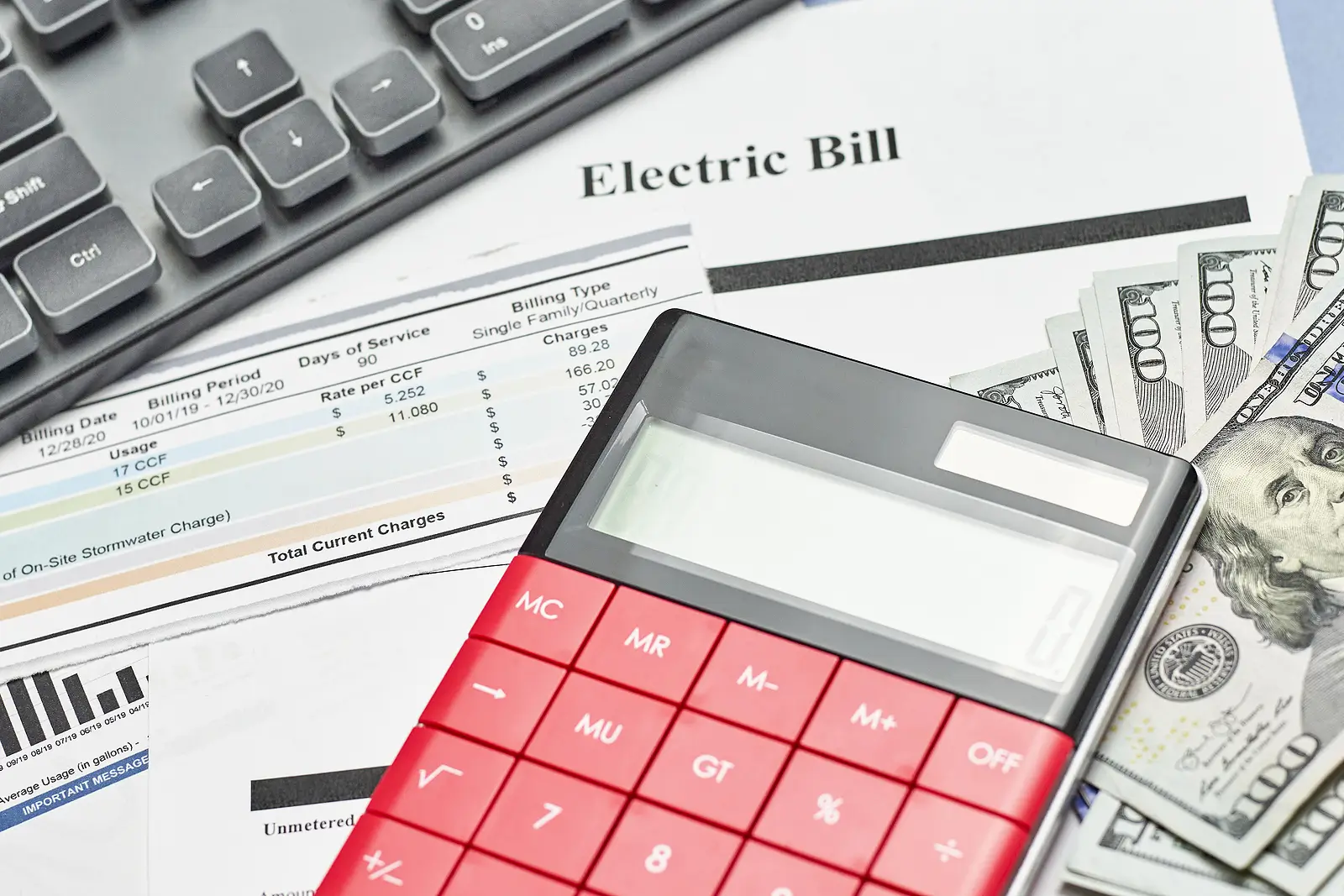
Utility costs in Charleston are climbing steadily, and residential rental owners are paying closer attention as higher bills place new pressure on monthly cash flow. For example, the average residential minimum monthly water charge in Charleston is about $15.70 inside the city and $25.40 outside the city before usage above baseline consumption is added, according to Charleston Water System. That baseline itself continues to rise over time as rates adjust.
In a coastal market defined by infrastructure demands and population growth, utilities are becoming a more visible factor in rental performance.
We are taking a closer look at how projected utility cost increases are shaping Charleston home rentals and what landlords should consider when aligning pricing with these rising expenses.
Key Takeaways
- Utility cost increases in Charleston directly influence rental pricing and operating margins.
- Water and sewer rates are rising due to infrastructure investment and regulatory demands.
- Landlords must weigh market rents carefully against growing fixed expenses.
- Strategic planning helps protect profitability and tenant satisfaction.
Latest Update on Charleston’s Rising Utility Costs
Recent local reporting has confirmed what many Charleston property owners have already noticed on their monthly statements. The Daniel Island News reported that the Charleston Water System has announced that water bills are expected to rise by approximately 10 percent in 2026, with additional increases anticipated in the years that follow. These changes are part of long-term planning efforts rather than short-term adjustments.
Utility providers have also emphasized that rising costs are tied to maintaining reliable service for a growing region. Investments in treatment facilities, pipeline replacement, and stormwater management are necessary to support both current demand and future growth. For residential landlords, these increases represent a structural shift in operating expenses that should be factored into rental planning rather than treated as temporary fluctuations.
Why Water, Sewer, and Other Utilities Are Increasing
Several forces are driving higher utility costs across Charleston. Projected utility cost increases in Charleston stem from aging infrastructure that requires significant upgrades to meet modern standards and environmental regulations. These improvements come with substantial costs that utility providers must recover over time.
Inflation has also increased the price of labor, materials, and specialized equipment, further contributing to rate hikes. Coastal resilience measures, including flood mitigation and system hardening, add another layer of expense. Together, these factors make ongoing utility increases more likely, reinforcing the importance of proactive financial planning for rental owners.
How Rising Utility Costs Translate to Landlord Expenses
For landlords, utility increases can affect the bottom line in different ways depending on the lease structure. When water, sewer, or stormwater fees are included in rent, higher rates immediately reduce net operating income unless pricing is adjusted. Even small increases can accumulate across multiple units.
Properties where tenants pay utilities directly are not immune either. Projected utility cost increases in Charleston can affect tenant satisfaction and renewals, particularly in older homes with inefficient systems. Seasonal spikes are especially common during Charleston’s hot summers, which is why improving performance through energy efficiency strategies can play a meaningful role in controlling long-term costs.
Linking Utility Increases to Rental Pricing Decisions
Rising utility costs are becoming an unavoidable factor in how Charleston rental owners evaluate pricing. As water, sewer, and energy expenses climb, landlords must decide when these increases warrant rent adjustments and how to balance profitability with market expectations.
1. Evaluating When Utilities Influence Rent
Utility costs rarely rise in isolation. Over time, they can quietly reshape a rental’s expense profile and influence whether current pricing still supports long-term performance. Knowing when utilities should factor into rent adjustments helps owners stay proactive rather than reactive.
Review Annual Utility Expense Trends
Track water, sewer, and energy costs year over year to spot consistent upward movement. When utilities begin taking up a larger share of rental income, pricing deserves a closer look.
Measure Utilities Against Net Operating Income
Compare projected utility cost increases in Charleston directly against net operating income, not just gross rent. Even modest hikes can weaken margins if income stays flat.
Identify Recurring vs. One-Time Spikes
Separate temporary usage increases from structural rate hikes. Recurring increases tied to rates or infrastructure costs carry more weight in pricing decisions.
Compare Cost Growth to Local Rent Movement
Evaluate whether market rents in Charleston are rising at a similar pace. Utilities that outpace rent growth often signal pressure on future profitability.
2. Calculating Operating Cost Changes
Understanding how utility increases affect operating costs starts with clear, unit-level math. Breaking expenses down methodically helps owners decide whether rising costs can be absorbed or if pricing needs to shift.
- Per-unit utility increases: Divide total utility cost changes by the number of units to see the real monthly impact on each rental.
- Cash flow pressure: Review how higher utility bills reduce net operating income and tighten monthly margins.
- Rent absorption capacity: Compare cost increases against current Charleston market rents to judge whether adjustments remain competitive.
3. Balancing Market Demand With Expense Growth
Charleston’s rental market remains active, but tenants are still sensitive to price changes. Gradual rent adjustments tied to operating cost inflation are often more effective than sudden increases. Proper seasonal preparation can also reduce avoidable expenses, which is why following a winter readiness checklist can help stabilize utility usage throughout the year.
4. Utility Payment Structures and Pricing Consequences
How utilities are billed significantly affects the rental pricing strategy. Landlord-paid utilities often require higher base rent to offset variable costs, while tenant-paid arrangements can keep advertised rent lower but expose tenants to rising bills. Each structure has trade-offs, and choosing the right approach depends on property type, tenant expectations, and administrative capacity.
5. Property Age, Efficiency, and Pricing Impact
Many Charleston rentals are older homes with outdated insulation, plumbing, or HVAC systems. Projected utility cost increases in Charleston make these properties’ higher water and energy usage a key factor in justifying different pricing than newer, more efficient builds.
Pro Tip: Investing in eco-friendly upgrades can reduce consumption while making properties more attractive to tenants who value predictable monthly costs.
Practical Tips for Aligning Pricing With Utility Increases
Aligning rental pricing with rising utility costs requires proactive management, clear communication, and targeted property improvements. Here are key strategies to consider:
- Expense tracking: Regularly monitor utility bills and operating costs to spot trends before they impact cash flow.
- Transparent leases: Clearly outline which utilities tenants are responsible for to reduce disputes and confusion.
- Energy-efficient upgrades: Installing key property upgrades like efficient appliances, modern fixtures, and improved insulation can lower consumption and support justified rent adjustments.
- Routine maintenance: Fix leaks, worn components, and other small issues promptly to prevent hidden increases in utility bills.
- Market comparisons: Benchmark your rent against similar Charleston rentals to ensure adjustments remain competitive and fair.
FAQs about Projected Utility Cost Increases and Rental Pricing in Charleston, SC
Do utility rate hikes affect rent-controlled or subsidized housing in Charleston?
Charleston has limited rent control, but subsidized housing programs often restrict how rents can increase in response to higher operating costs.
Do higher utility costs affect security deposit amounts in Charleston rentals?
Security deposits are regulated separately and are not directly tied to utility expenses, though higher rents may influence deposit calculations.
Are RUBS or ratio utility billing systems allowed in South Carolina rentals?
Certain utility billing systems are allowed, provided landlords comply with disclosure and fairness requirements under state and local law.
Do utility cost increases affect rental appraisals or lender underwriting?
Higher operating expenses can impact net operating income, which appraisers and lenders consider when evaluating rental properties.
Do utility hikes impact rental demand in specific Charleston neighborhoods more than others?
Areas with older housing stock or higher water usage may feel the impact more strongly, influencing pricing and tenant preferences.
Adjust Rental Pricing Professionally to Offset Increases with CREC!
Rising utility costs are becoming a permanent consideration for residential rental owners in Charleston. Linking these increases to thoughtful pricing decisions, efficiency improvements, and proactive management helps protect profitability while supporting positive tenant experiences.
CREC Property Management helps owners navigate these challenges through professional Charleston property management services, including:
- Rental pricing analysis tied to operating costs
- Utility expense monitoring and planning
- Maintenance coordination to reduce waste
- Long-term strategies for sustainable rental performance
Rising utility costs don’t have to drain your profits or complicate tenant retention. Strategically optimize your property management now to cut expenses, boost efficiency, and maximize your Charleston rental income with CREC Property Management!
Related Articles
End-of-Year Maintenance Tips for Charleston Rental Property Companies
How Charleston’s Market Trends Impact Rental Prices
End-of-Year Financial Planning for Property Owners: Maximizing Rental Income and Tax Benefits